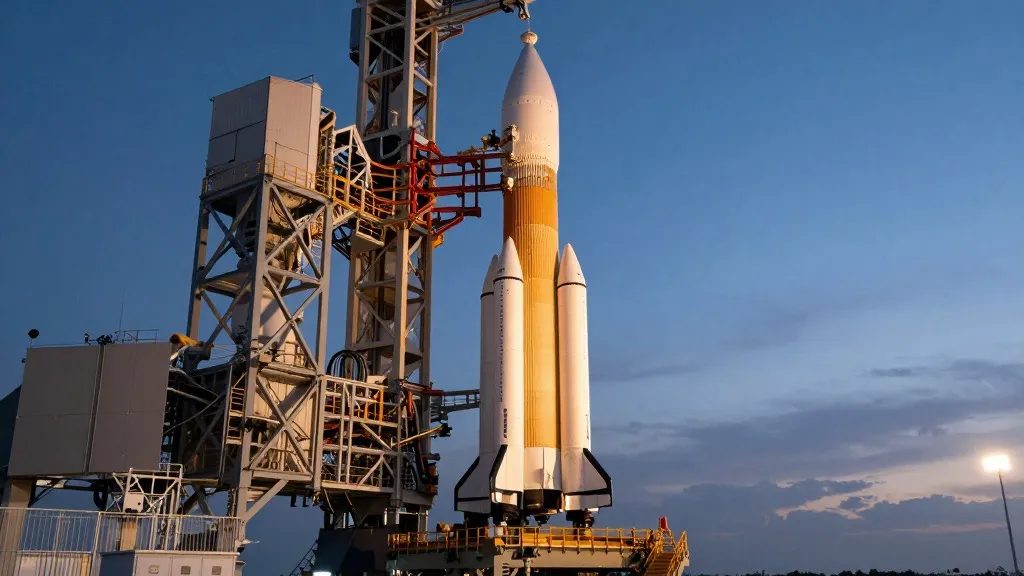
SpaceX declines military launch contracts
A major shift in commercial launch strategy sees SpaceX turn down Space Force offers while European and Canadian firms advance their hardware.
By Camila Rodriguez ·
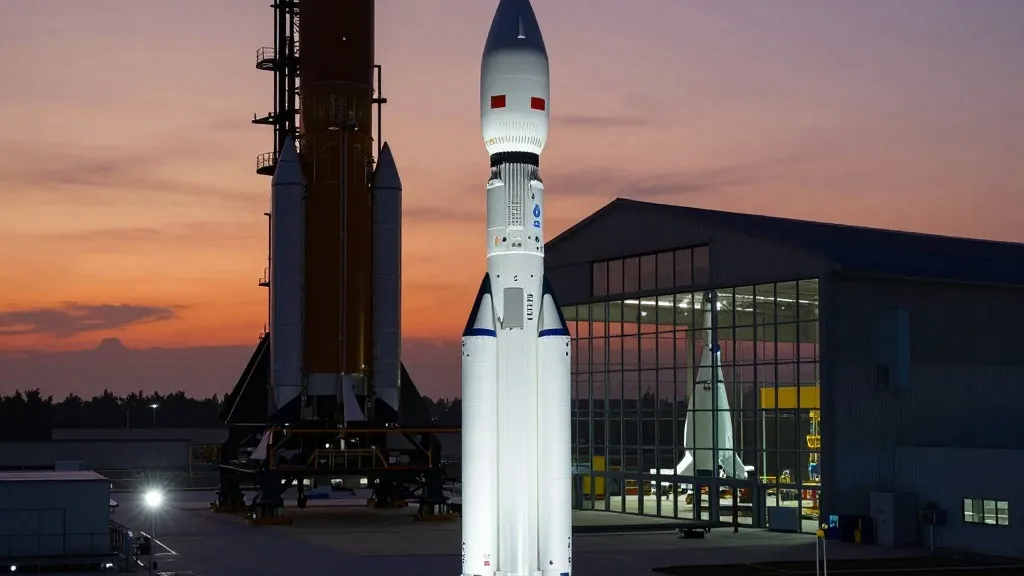
For residents of Texas and the broader South Central region, the commercial space industry continues to reshape the local economic landscape, even as global players adjust their operational priorities. This week marked a significant turning point for the sector’s biggest player, as SpaceX officially declined three launch contracts offered by the U.S. Space Force. The decision signals a strategic pivot, suggesting that the company is prioritizing specific operational capabilities or internal development goals over immediate military revenue streams. This move may influence how other commercial providers in the region position themselves for future government procurement cycles.
The rejection of the military contracts comes alongside critical technical updates regarding the company’s flagship Starship vehicle. A NASA safety review panel indicated that the system might require up to 22 in-orbit refueling operations to support a lunar landing mission. This high number of required touchpoints underscores the complexity of the architecture and the rigorous testing schedule ahead for the heavy-lift program.
While American giants make strategic adjustments, European efforts are accelerating. PLD Space, a Spanish company, reports that its Miura 5 rocket is nearing the final stages of integration. The small-lift vehicle is scheduled for its maiden flight before mid-2027. The company has already manufactured three units of the rocket, with two dedicated to qualifying key system elements and the third prepared for the inaugural launch.
PLD Space CEO Raúl Torres noted that the manufacturing process for these three vehicles allowed engineering teams to work continuously across different production phases. He stated that lessons learned from each qualification campaign were directly applied to the launch vehicle. Currently, one second stage is fully integrated and undergoing system-level testing at the company’s Teruel test facility. This includes a wet dress rehearsal and a static hot-fire test to verify performance under representative operating conditions.
In Canada, the startup Reaction Dynamics is expanding its ambitions. The company is seeking to raise $350 million to scale its workforce from 68 to more than 350 employees. This funding drive supports the development of the Aurora small-lift rocket, which targets an orbital debut in 2028. Additionally, Reaction Dynamics has announced plans to develop a medium-lift rocket named Borealis, with a target first flight by 2031. These developments highlight a growing global competition in the small and medium-lift segments of the launch market.
The convergence of SpaceX’s strategic shifts, PLD Space’s integration milestones, and Reaction Dynamics’ expansion illustrates a dynamic period for the launch industry. As companies refine their vehicles and secure funding, the pace of innovation continues to accelerate, offering new opportunities for commercial and governmental clients worldwide.
Source: Ars Technica